
Ski By Train shares practical, down-to-earth guidance on ski holidays by rail from the uk for readers across the UK.
- 0123456789
- Angle Bd Abdelmoumen & rue soumaya, Résidence
- [email protected]
Ski By Train shares practical, down-to-earth guidance on ski holidays by rail from the uk for readers across the UK.
 By Sophie Ashworth
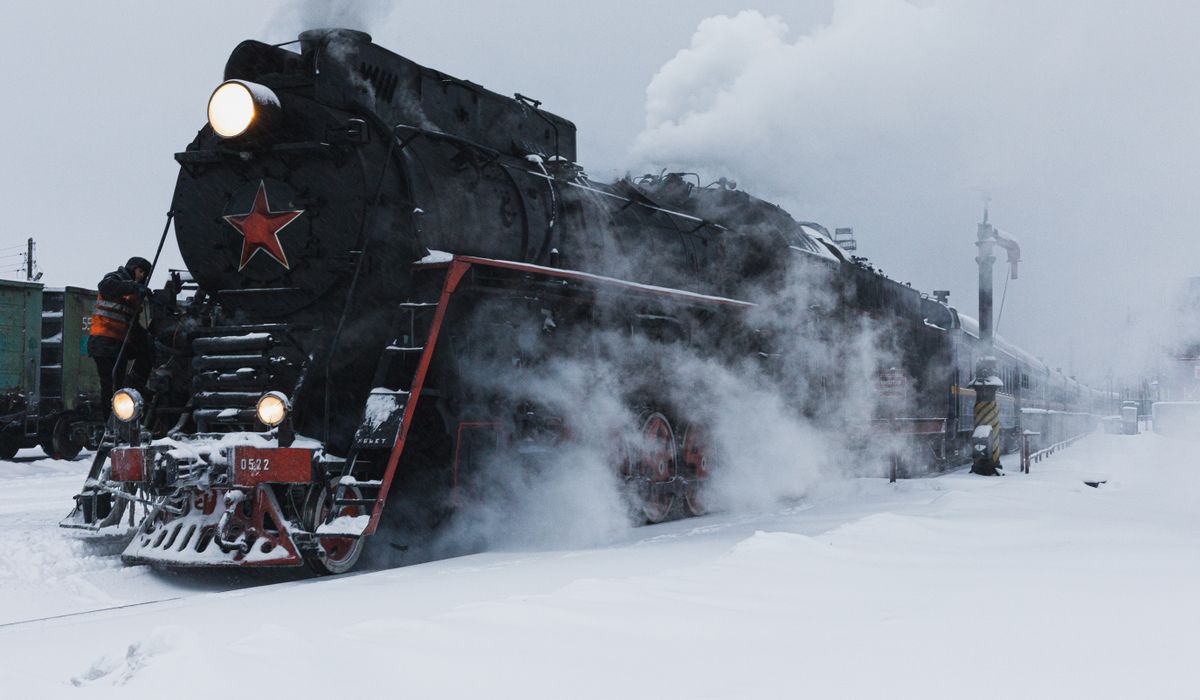
Flying to the Alps usually means a very early start, a costly transfer, and a first day you spend half asleep. The sleeper train turns the journey into part of the holiday. You board in the evening, eat, sleep, and wake up to frosted fields and pine trees sliding past the window. There is no airport security queue, no baggage carousel, and no two-hour coach transfer in ski boots. You arrive in the mountains fresh, and you have saved a night's hotel bill at the same time. For families, groups, and anyone who values a calm start, it is quietly brilliant.
Most services leave the UK in the late afternoon or early evening, heading under the Channel and south towards the Alps. You settle into your berth, hang up your jacket, and head to the restaurant or bar car for dinner as the city lights fade. The train rolls through the night whilst you sleep, and by breakfast you are in the mountains.
There are three main ways to travel:
Whichever you choose, pack a small day bag with everything you need for the morning, so your main luggage can stay stowed.
The beauty of the sleeper train is that it drops you deep into the mountains, not at a distant airport. Popular arrival points include:
At each station, local buses, taxis, and resort shuttles meet the train, so the last leg is straightforward.
Keep it simple and you will sleep well. A few essentials make all the difference:
Sleeper trains are popular, and berths sell out months ahead, especially during school holidays, half-term, and the peak weeks of February. Book as early as you can and be flexible with dates if you want the best fares. The headline price can look higher than a budget flight, but once you add airport transfers, a night in a hotel, and the cost of arriving exhausted, the train often wins. You also get a full day on the mountain on arrival day, which is a real bonus on a short trip.
You will arrive early, often before your accommodation is ready. That is a gift, not a problem. Drop your bags, collect your hire gear, and go for a gentle warm-up run rather than a full day. A long lunch, a short ski, and an early night will set you up far better than trying to cram in every run. By the next morning, you will feel like you have been in the mountains for days — and you never once saw an airport.


We are not gonna make spamming
