
Ski By Train shares practical, down-to-earth guidance on ski holidays by rail from the uk for readers across the UK.
- 0123456789
- Angle Bd Abdelmoumen & rue soumaya, Résidence
- [email protected]
Ski By Train shares practical, down-to-earth guidance on ski holidays by rail from the uk for readers across the UK.
 By James Whitcombe
There's a moment on every Alpine ski day when the lifts start to close and the mountain seems to exhale. Boots are unbuckled, goggles pushed up onto helmets, and the day's first proper conversation begins. Après-ski isn't just drinking. It's a structured, almost ceremonial end to a day on the slopes — and one of the best reasons to choose the train over the airport.
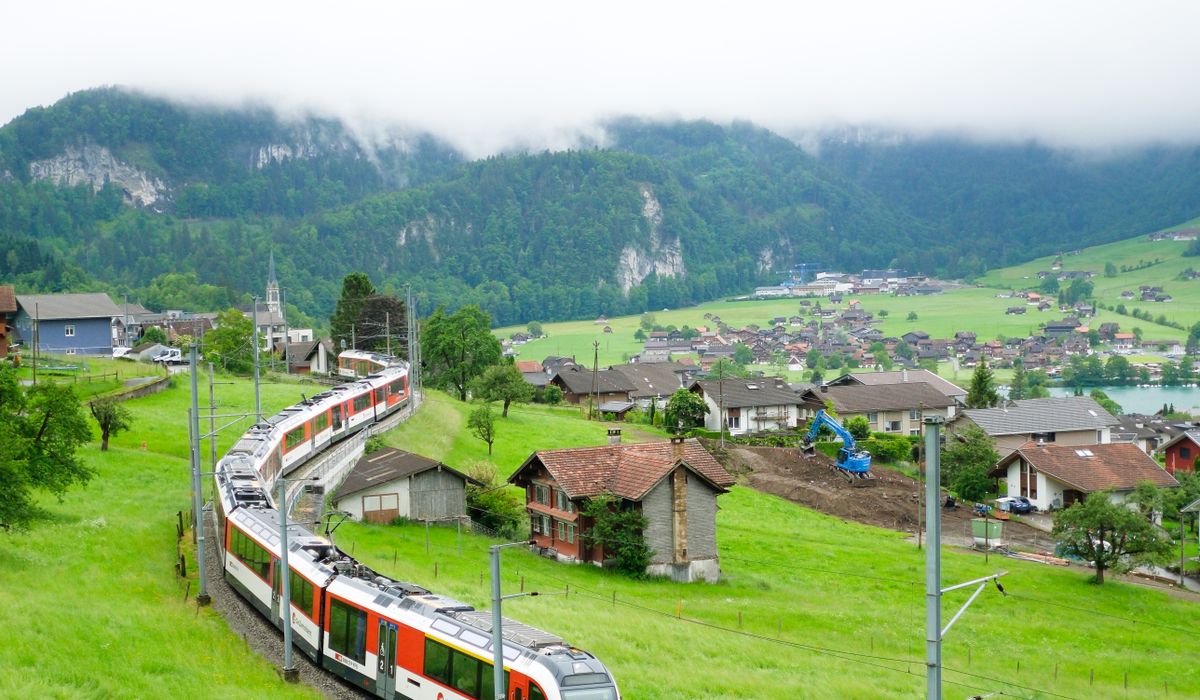
Arriving by rail changes the experience. You step out at a village station with your skis and bag, walk a few minutes to your hotel, and the car stays at home in the UK. No hire car, no debate about who's driving back from the mountain bar, no snow chains at dusk.
Across the Alps, the first drink of the evening has the same skeleton and a dozen local names. In France it's vin chaud; in Austria and German-speaking Switzerland, Glühwein; in Italy, vin brulé. Red wine is warmed gently with cinnamon, cloves, star anise, orange peel and sugar, sometimes with a measure of rum or amaretto stirred in at the end.
It appears from about 3.30pm at mountain huts, station kiosks and village stalls, served in a thick glass or enamel mug. Two practical points:
Alpine hot chocolate is not the powdered stuff from a sachet. In France and Switzerland it's often made with real melted chocolate and finished with a generous cap of whipped cream — Chantilly in French, Schlagobers in Austria. In Italy, cioccolata calda is thick enough to eat with a spoon.
Italy also gives us the bombardino: egg liqueur, a shot of brandy and a mound of cream, treated by many skiers as a legitimate mid-afternoon restorative. In Austria, look for Glühmost, mulled apple juice or cider, which is gentler and a better bet for families and non-drinkers. Hot chocolate on a south-facing terrace as the light turns gold is the après people remember long after the skiing.
The classic mountain bar sits right on the piste: wooden decking, a sound system, a few hundred pairs of boots and a view down the valley. The atmosphere builds from about 4pm and peaks within the hour, and in larger resorts the party spills across several terraces.
The single most useful thing you can do is check the last descent before ordering a second drink. Ask at the lift station in the morning, or read the notice board at the bar. Some resorts stop carrying skiers up well before the bars close, and the final piste down is often patrolled. A few places run a last descent specifically for après guests — miss it and your options are an expensive snowcat ride, a long walk in ski boots, or a sheepish call to your hotel.
Also worth remembering: don't leave skis and poles unguarded outside a busy bar, take boots off only where there's a proper boot room, and carry a little cash alongside your card, as smaller huts often prefer it.
The second act of après happens back in the village, once you've showered and changed. This is where rail travel pays off: with your accommodation a short walk from the station and everything else, you can linger without watching the clock for the last car park shuttle.
Bakeries are worth timing your walk home around. In Austria, Kaiserschmarrn — shredded pancake with jam — makes a fine late-afternoon alternative to a bar stool.
Most major Alpine resorts now have a station in or very near the village, and reaching them from the UK by train is straightforward: a cross-Channel train to Paris and an onward daytime service, a night train from the continent, or a route via Basel, Zurich, Munich or Innsbruck. Ski carriage is usually possible, but book it in advance.
Once you're there, a few habits make the whole thing work better:
The après is often the part of an Alpine holiday people talk about for years — and arriving by train, with the journey and the arrival already part of the story, only makes the ritual better.


We are not gonna make spamming
