
Ski By Train shares practical, down-to-earth guidance on ski holidays by rail from the uk for readers across the UK.
- 0123456789
- Angle Bd Abdelmoumen & rue soumaya, Résidence
- [email protected]
Ski By Train shares practical, down-to-earth guidance on ski holidays by rail from the uk for readers across the UK.
 By James Whitcombe
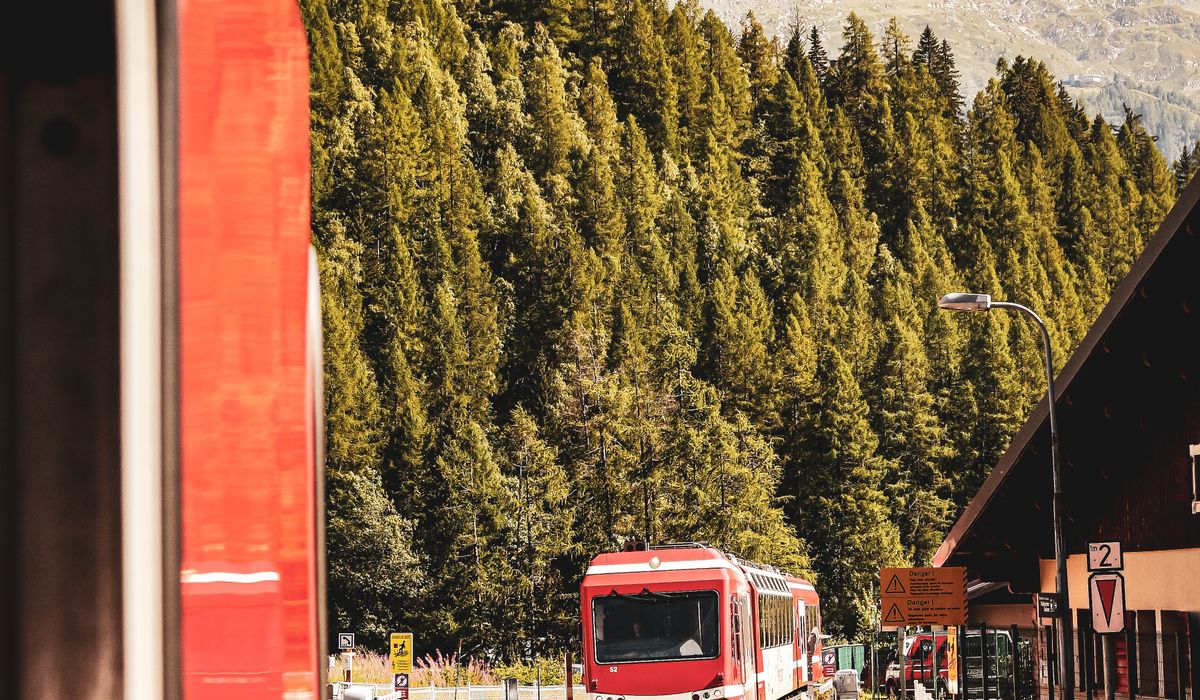
Travelling to the slopes by train is one of the most civilised ways to begin a winter holiday. You settle into your seat, watch the landscape shift from grey city suburbs to snow-dusted peaks, and arrive with your skis and bags without ever setting foot in a departure lounge. But the journey asks something of your wardrobe that a flight does not. You will spend time on open platforms in biting wind, move between heated carriages and frosty corridors, and haul bags across icy surfaces. The right kit keeps you warm, dry and calm from your front door to the resort.
This is not about packing more. It is about packing the right things. A few well-chosen items make the difference between arriving refreshed and arriving miserable.
The biggest mistake is dressing for the destination and forgetting the transit. A train carriage can swing from comfortably warm to distinctly draughty, especially when doors open at stations or when you walk between carriages. The answer is layers you can add and remove easily.
Avoid overdressing at the start. You will be moving, carrying bags and stepping in and out of heated spaces. Start slightly cool and add layers as you go.
Waterproof gloves are essential. Not the thin liner gloves you might wear around town, but something with a waterproof membrane and a bit of insulation. You will use them to grip cold metal handrails, carry luggage and steady yourself on slippery platform edges. A pair with touchscreen-friendly fingertips means you can check tickets or messages without baring your hands to the wind.
A neck warmer, or gaiter, is the unsung hero of winter rail travel. It seals the gap between your coat collar and your chin, stops cold air whistling down your neck when you step onto a platform, and can be pulled up over your nose if the wind picks up. Unlike a scarf, it will not trail in puddles or get caught in doors. Pack two if you have them — one for the journey out, one for the journey home.
A warm hat and a pair of thin liner gloves are worth adding too. They take up almost no space and make a real difference during a ten-minute wait at an exposed station.
A 25–30 litre backpack is the sweet spot for a rail journey. It is small enough to keep with you at all times, yet roomy enough to hold everything you need for a day of travel. Avoid a large suitcase you have to drag along platforms. If you can, consolidate into one wheeled bag plus a backpack.
Keep the bag under the seat in front of you or in the overhead rack, and never in the luggage area at the end of the carriage if you can avoid it. You will want your layers, snacks and charger within arm's reach.
Your boots are your foundation. Wear insulated, waterproof boots with a decent grip for the journey — not your ski boots, which are miserable on a train. If you are carrying ski boots, clip them to the outside of your bag or pack them in a boot bag. For your travelling boots, choose something you can slip on and off easily, because you may want to air your feet on a long journey.
Platforms can be icy, especially in the early morning or late evening. Consider packing a pair of pull-on ice grips, or at least choosing boots with a deep tread. Take your time stepping down from the train, and use handrails even when they feel cold — your waterproof gloves are there for exactly this reason.
Pack a spare plastic bag for wet gloves or boots, and a small microfibre cloth to wipe down wet seats or condensation from the window. Small comforts add up.
Run through a quick mental checklist the night before you travel. Thermal layers on, mid layer accessible, waterproof gloves and neck warmer in the top of your backpack. Phone charged, tickets downloaded or printed, snacks packed, waterproof shell within reach.
On the day itself, give yourself more time than you think you need. Cold fingers fumble with zips and tickets, and a calm start sets the tone for the whole trip. Once you are settled in your seat with a hot drink and the snowy scenery sliding past, you will be glad you took the train — and even gladder you packed properly.


We are not gonna make spamming
