
Ski By Train shares practical, down-to-earth guidance on ski holidays by rail from the uk for readers across the UK.
- 0123456789
- Angle Bd Abdelmoumen & rue soumaya, Résidence
- [email protected]
Ski By Train shares practical, down-to-earth guidance on ski holidays by rail from the uk for readers across the UK.
 By Eleanor Hartley
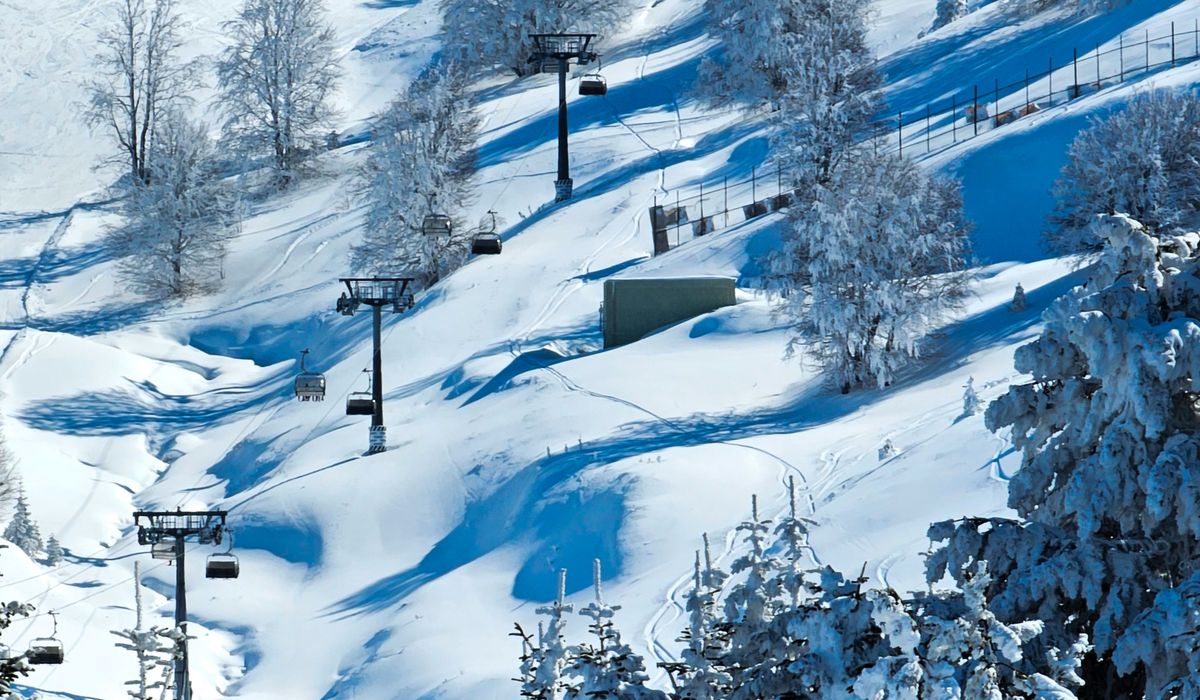
Flying to the Alps usually means a pre-dawn alarm, a scrum at the bag drop, a transfer coach and a long wait in a mountain airport arrivals hall. Rail offers something calmer: one continuous journey, your skis travelling with you, and an arrival in a resort village that is often a short walk or shuttle ride from the lifts. On a good connection you can leave London in the morning and be drinking a hot chocolate in Bourg-Saint-Maurice by late afternoon, having watched the landscape shift from suburbs to vineyards to snow-laden pines.
The practical advantages add up. Luggage allowances are generous, boot bags are not weighed, and there is no excess-baggage charge for a board bag. The main stations serving the Alps sit right in the valleys — Bourg-Saint-Maurice, Moutiers, Aime-la-Plagne, Saint-Gervais — so the notorious mountain road transfer is either short or not needed at all.
Your first decision is how to get from Britain to the Continent. There are three broad choices:
For skiers, Lille and Paris are the two great springboards. Lille is superb for connections north-east towards Brussels and Cologne. Paris, and specifically the Gare de Lyon, is the gateway to the French Alps.
From Paris, high-speed lines run south-east to Lyon in about two hours, and from there the network reaches deep into the mountains. The key Alpine stations and what they serve:
Direct daytime services from Paris to Bourg-Saint-Maurice take around four and a half to five hours, and on winter weekends there are through trains from Lille and Brussels as well. Resort shuttle buses and taxis meet the main arrivals; check timetables against your train before booking, particularly for smaller villages.
If your destination is Switzerland or Austria, heading east through Brussels is often more efficient than going via Paris. Brussels to Cologne takes under two hours; Cologne to Basel around three and a half. From Basel or Zurich, the Swiss network does the rest:
Austria is reached most neatly via Munich or, better still, Innsbruck. From Innsbruck, St Anton is about an hour away, Kitzbühel roughly an hour and a quarter, and the Ziller valley resorts such as Mayrhofen are easily reached via Jenbach.
Night trains have made a genuine comeback and suit skiers particularly well. Leaving in the evening and waking near the slopes saves a night's accommodation and a precious day of holiday. Typical options include overnight services from Paris towards Briançon and Saint-Gervais, and routes from the Low Countries and Germany through to Innsbruck, Salzburg and beyond.
Cabins and couchettes vary widely in comfort. A private sleeping compartment is worth the money for a family; couchettes are fine for a group of friends on a budget. Reservations are compulsory, and cabins sell out months ahead for February half-term.
A few habits make rail skiing much smoother:
None of this is complicated once you have done it a couple of times. Rail to the snow is slower than flying on paper, but far less stressful in practice — and there is something quietly satisfying about arriving in the mountains under your own steam, with the journey part of the holiday rather than merely the price of getting there.


We are not gonna make spamming
