
Ski By Train shares practical, down-to-earth guidance on ski holidays by rail from the uk for readers across the UK.
- 0123456789
- Angle Bd Abdelmoumen & rue soumaya, Résidence
- [email protected]
Ski By Train shares practical, down-to-earth guidance on ski holidays by rail from the uk for readers across the UK.
 By Sophie Ashworth
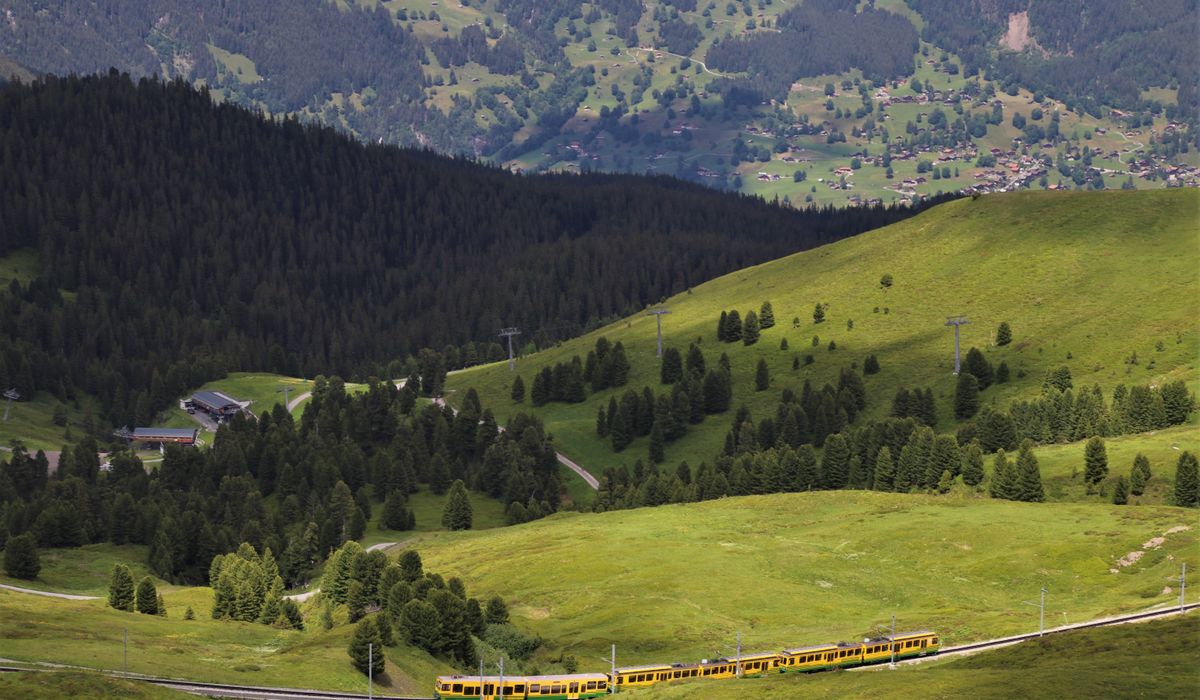
Anyone who has driven to the Alps with children in the back knows the soundtrack: bored complaints, car sickness, and the inevitable stop on a motorway shoulder somewhere. A ski train turns that day upside down. There is no traffic, no need to keep anyone strapped in, and children can walk to the buffet, stretch their legs, and settle into a rhythm that fills the miles. The journey becomes part of the holiday rather than a price to pay for it.
That said, a long rail trip with children is only as calm as the preparation behind it. Ski trains from the UK usually involve an early start, a cross-Channel leg, a change at a busy city station, and then either a daytime high-speed run into the Alps or an overnight sleeper. Treat that as four separate journeys and plan each one, and the day looks far less daunting.
Seat reservations matter enormously on ski services, which fill quickly in peak weeks. Book the whole family in one transaction so the system seats you as a group, and check your reservation the moment it comes through.
If you can, note your children's ages when booking. Staff are often quietly brilliant at helping families with luggage on and off at the changeover station.
The temperature on a ski train swings wildly. Carriages are heated to tropical levels, platforms are freezing, and the station where you change trains may be colder still. Dress everyone in layers you can peel off and add back without a trip to the luggage rack.
Keep ski boots and helmets in the main luggage rather than the day bag. You will not need them on the train, and they turn a manageable rucksack into a weapon.
Screens have their place, and a downloaded film or audiobook can rescue the last hour of a long day. But batteries die and tempers fray when a tablet is the only plan. Pack a mix.
Rotate the entertainment rather than handing everything over at once. A new card game produced at the changeover station works like magic.
The change of trains is the part parents worry about most, and usually the part that goes fine. Allow at least an hour between services, know your platform in advance, and move as a convoy with one adult at the back. Toilets, a drink and a leg stretch at this point pay for themselves ten times over.
On an overnight service, keep the bedtime routine as close to home as you can. Pyjamas on, teeth brushed, lights dimmed, and a story read quietly. Children who know what comes next settle faster, and so do the adults around them.
The final hour is where fatigue bites. Everyone is tired, the air is cold, and the luggage seems to have doubled. Have hats, gloves and jackets ready before the train stops, and put them on before stepping out. If you have booked a transfer, confirm the meeting point in advance and give yourselves half an hour of slack.
Then slow down deliberately. Do not attempt to ski on arrival day. Find the apartment, unpack the essentials, and let the children see the snow. The first afternoon is for hot chocolate and a snowball fight, not for rushing to the lifts. Do that, and the journey will be remembered as the beginning of the holiday rather than the chore before it.


We are not gonna make spamming
