
Ski By Train shares practical, down-to-earth guidance on ski holidays by rail from the uk for readers across the UK.
- 0123456789
- Angle Bd Abdelmoumen & rue soumaya, Résidence
- [email protected]
Ski By Train shares practical, down-to-earth guidance on ski holidays by rail from the uk for readers across the UK.
 By Oliver Pemberton
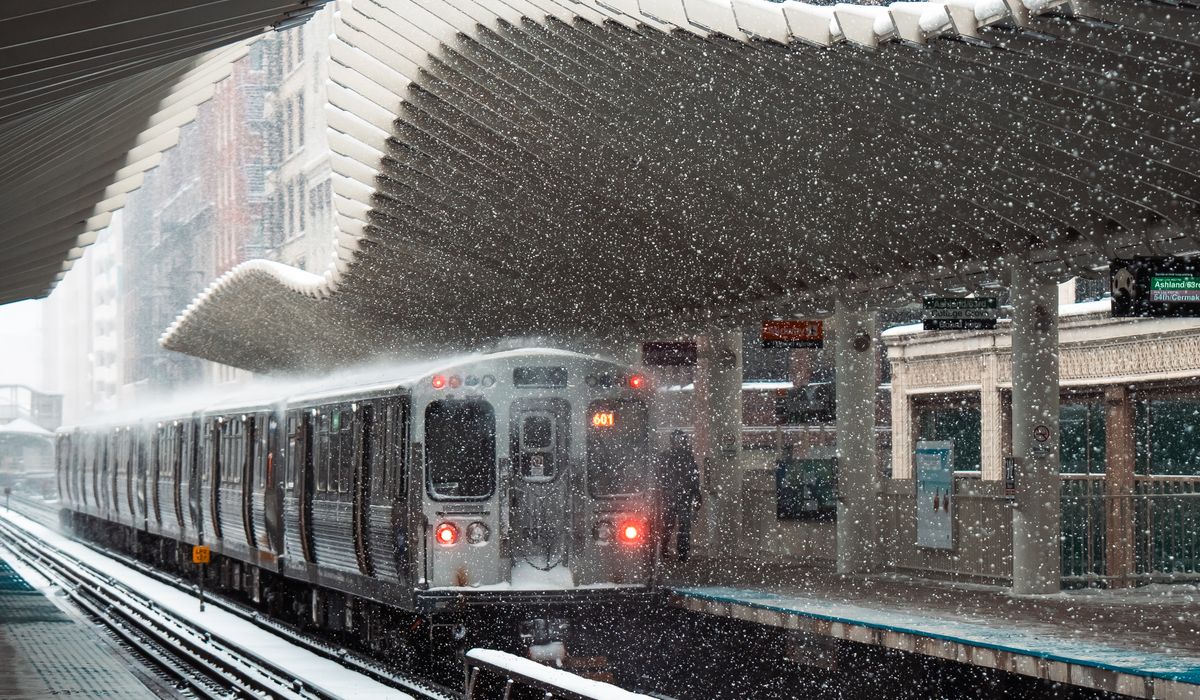
When you fly, you might hire a car and chase snow. By rail, your holiday has a rhythm: fixed arrival, fixed departure, luggage, shuttle. Your pass should match the terrain you can reach on foot or by local bus or train. Don't default to the biggest pass. Ask: how many days? What ability? Do you want to explore? A pass is often the biggest variable cost after accommodation and travel. Buying right can save £100 or more per person, or unlock valleys you'd never reach otherwise.
A local pass covers one resort or one lift network. Usually includes nursery slopes, main gondola, a handful of chairs. Best for beginners, families, short breaks, first day or two. If your rail journey drops you in a village and you're staying put, local pass is excellent. You won't waste money on lifts you never reach. On a three-day break, a local pass can be all you need. But check if it includes the lift you need to get back to your accommodation, especially if the village is spread out. Also, some local passes exclude a key link lift that would let you ski to a neighbouring village. If you're a strong skier, you'll outgrow it by lunchtime on day two.
A regional pass covers several resorts in one valley or region, often linked by lifts, buses, or a ski train. This is the best value for intermediate skiers on a five- to seven-day rail trip. You get variety without the cost of an area pass. You can follow the sun, escape crowds, and find quieter runs. Many regional passes include valley buses, which matters if you're car-free. Picture a valley with three or four villages, each with its own slopes, linked by a shuttle. A regional pass lets you ski a different sector each day. Check whether the pass includes transport between villages. If it doesn't, you may need to pay extra or rely on a limited bus. For mixed-ability groups, regional passes work well: beginners can stay low, while stronger skiers explore.
An area pass is the big one: multiple valleys, sometimes across a border or a mountain range. It's for strong intermediates and advanced skiers who want to clock up miles, ski different microclimates, and not repeat runs. If you're on a ten-day rail trip with no car, an area pass can be brilliant: you can base in one village, then use lifts and local trains to reach other valleys. But it's expensive. Only worth it if you'll ski at least four or five full days and actually move around. Weather can scupper plans: high winds close upper lifts, and you're left with an expensive pass and limited terrain. If you're unsure, buy a regional pass for the first half of the trip and upgrade later if conditions and legs allow. Some area passes include a ski bus or train between valleys; others don't, so read the small print.
Use a simple formula. Beginners and early intermediates: local pass. Intermediates comfortable on red runs: regional pass. Advanced skiers who want to explore: area pass. Days matter. One to three days: local. Four to six: regional. Seven or more: area, if you'll use it. Weather matters. In a snowy, windy week, lower local passes with tree runs can be more reliable. In a clear, stable week, an area pass opens up the high mountains. Also consider your group. If you're the only strong skier and everyone else is happy on blues, an area pass may isolate you. Better to buy regional and take a day trip with a guide or bus. If you're all similar ability and want adventure, area pass.
The right pass is the one that matches the holiday you'll actually have, not the one you imagine. On a rail trip, simplicity and flexibility are your friends. Start with a local or regional pass, and upgrade only if the snow, your legs, and your curiosity demand it.


We are not gonna make spamming
